“Everyday is a journey, and the journey itself is home”
— Matsuo Basho
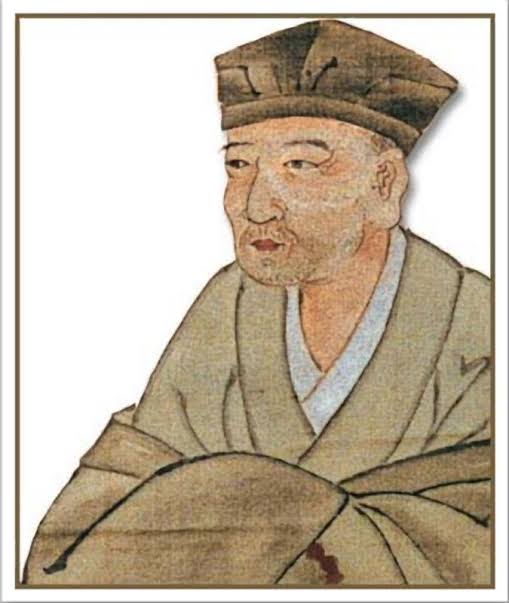
When the sun shows its first rays, this is the unique country of Japan. It is a country wherein diverse culture and tradition reflects its nature and landscapes. A small country isn’t , but it has more to offer. Let’s explore the sceneries of this country and let be enchant to the cultures and temples it has.
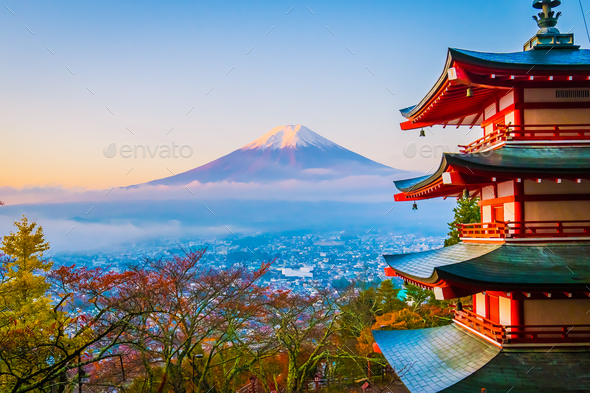
HIGHLIGHT SPOTS OF JAPAN
Japan is truly timeless, a place where ancient traditions are fused with modern life as if it were the most natural thing in the world. Thats why some called it as “Cultural Center of the World”. One of the prominent features of this country is its astonishing temples and landscapes which lightens its uniqueness. This tourists spots makes this country a popular one.
1.) MOUNT FUJI
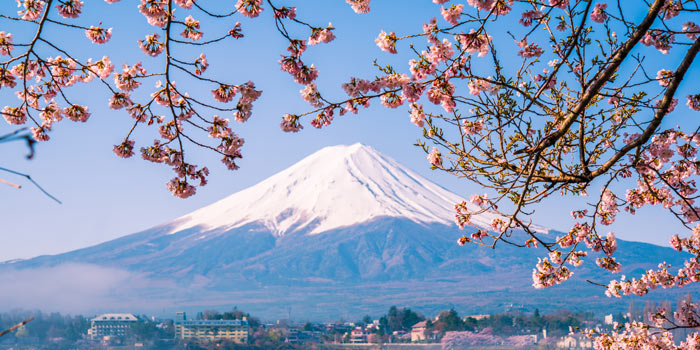
Mount Fuji (富士山, Fujisan) is with 3776 meters Japan’s highest mountain. It is not surprising that the nearly perfectly shaped volcano has been worshiped as a sacred mountain and experienced big popularity among artists and common people throughout the centuries.
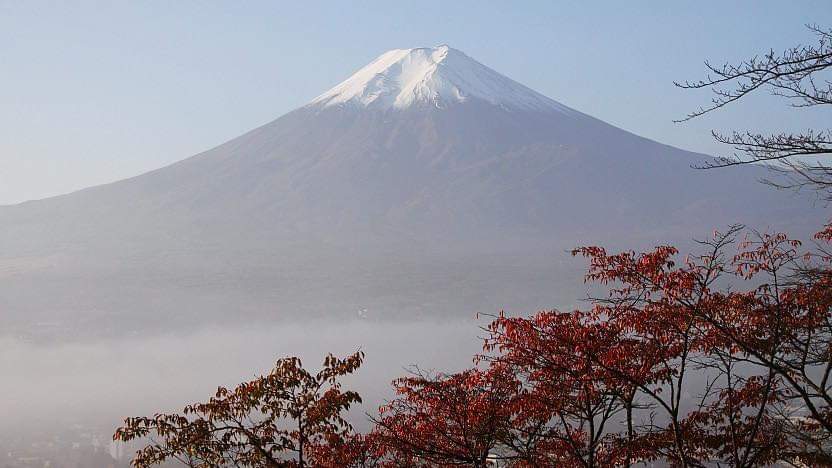
Mount Fuji is an active volcano, which most recently erupted in 1707. It stands on the border between Yamanashi and Shizuoka prefectures and can be seen from Tokyo and Yokohama on clear days.
2.) OSAKA CASTLE
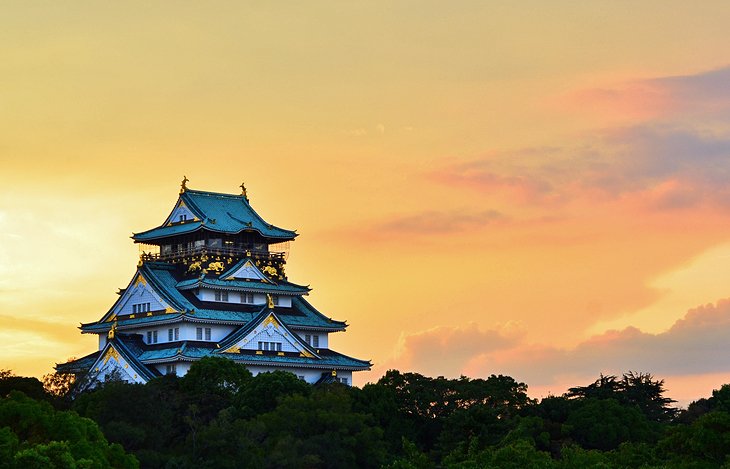
They say that if you will have a trip to Japan, don’t miss this beatiful place, tha’ts the historical Odabiba Castle. While the castle itself is indeed beautiful, the surrounding parks are also worth exploring. Osaka Castle Park was opened in 1931, and has become an incredibly popular destination for its changing foliage in the spring’s ‘sakura’ (cherry blossom) season, as well as the autumn’s ‘koyo’ (falling leaves) season.
It is quite easy to spend hours roaming around and enjoying a beautiful day underneath the trees, imagining the amazing things that occurred there in the past. In fact, there are still structures that have managed to escape the wars, having existed intact since the Edo period (1603-1868).
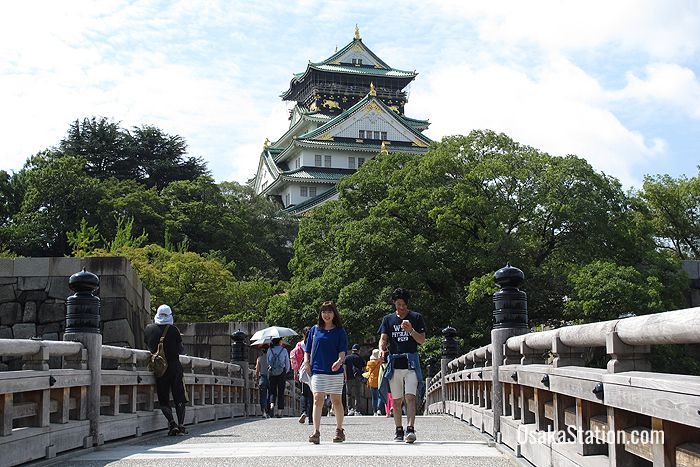
Certainly the best views of Osaka Castle can be seen from the parks area, with the structure itself towering over the stunning natural landscape which envelops it. It is even possible to take a short boat ride around the surrounding moat! Osaka Castle is also famous to some for its incredibly well-built stone wall, which is impressive in its sheer size, with an estimated 500,000 to 1 million large stones (up to 12kg) having been used in its construction. The moat walls stand at up to 20 metres tall and 90 metres wide.
3.) ASAKUSA TOKYO SHRINE
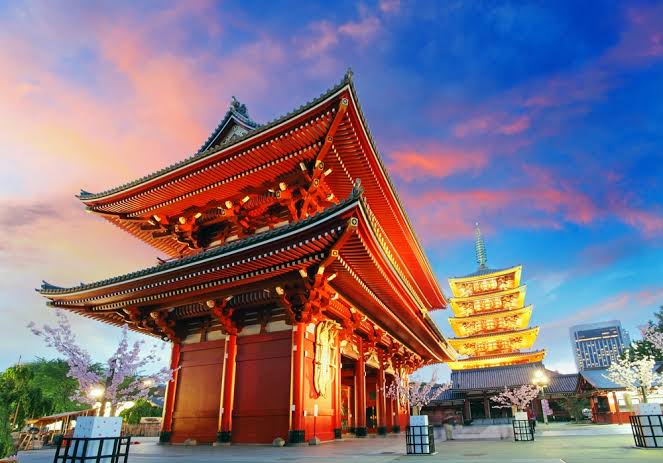
-The Asakusa Culture Tourist Information Center was newly opened in 2012, adding diversity to the streets of Asakusa with its interesting architectural design. The eight story building offers a tourist information desk in multiple languages, free wifi connectivity, a cafe, and an observation deck which provides good views looking onto Sensoji Temple and the Nakamise Shopping Street.
4.) TOKYO SKY TREE
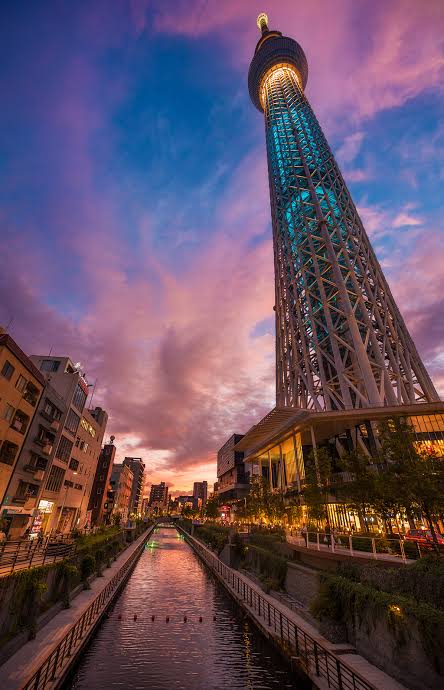
The tower is the primary television and radio broadcast site for the Kanto Region; the older Tokyo Tower no longer gives complete digital terrestrial television broadcasting coverage because it is surrounded by high-rise buildings. Skytree was completed on Leap Day, 29 February 2012, with the tower opening to the public on 22 May 2012. The tower is the centrepiece of a large commercial development funded by the Tobu Railway (which owns the complex) and a group of six terrestrial broadcasters headed by NHK Trains stop at the adjacent Tokyo Sky Tree Station and nearby Oshiage Station. The complex is 7 km (4.3 mi) north-east of Tokyo Station.
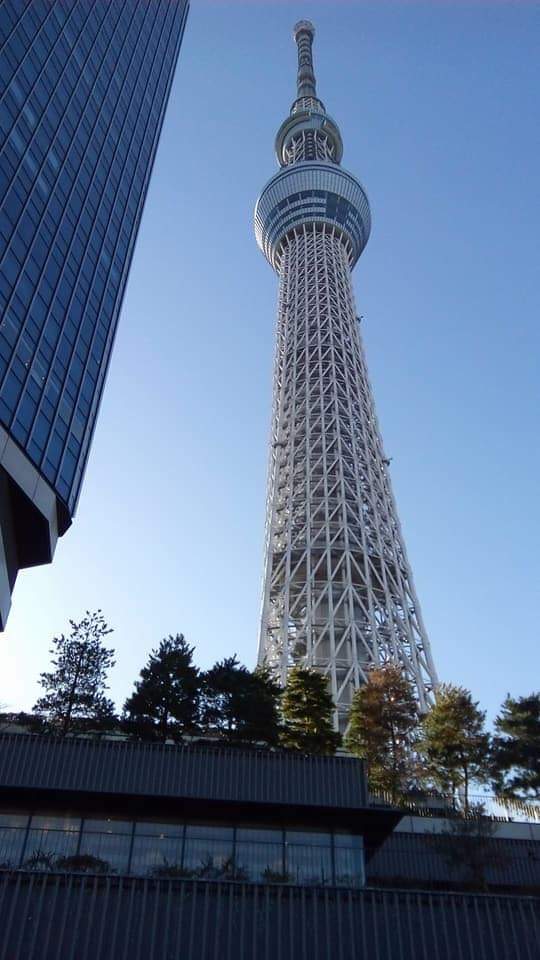
The highlight of the Tokyo Skytree is its two observation decks which offer spectacular views out over Tokyo. The two enclosed decks are located at heights of 350 and 450 meters respectively, making them the highest observation decks in Japan and some of the highest in the world.
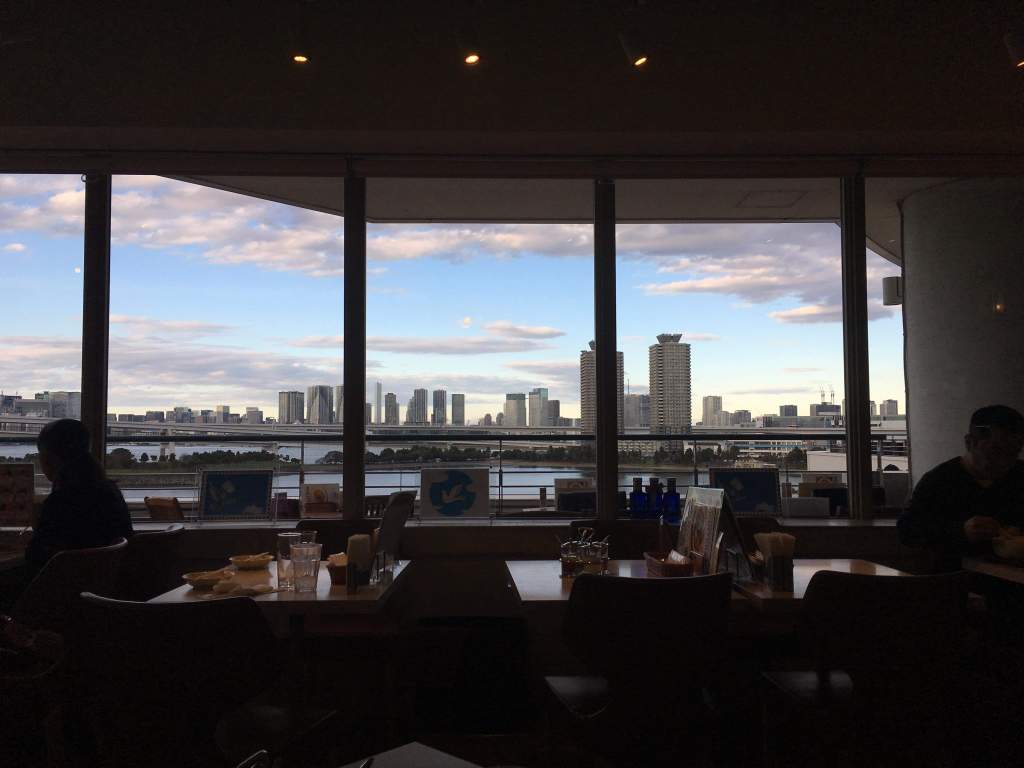
Tembo Deck, the lower of the two decks is 350 meters high and spans three levels with great views from all of its floors. The top floor features tall, broad windows that offer some of the best 360 degree panoramic views of the city. The middle floor has a souvenir shop and the Musashi Sky Restaurant, which serves French-Japanese fusion cuisine, while the lowest floor features a cafe and some glass panels on the ground from where you can look all the way down to the base of the tower.
Tembo Deck observation deck
A second set of elevators connects the Tembo Deck to the 450 meter high Tembo Gallery. Dubbed “the world’s highest skywalk”, the Tembo Gallery consists of a sloping spiral ramp that gains height as it circles the tower. The construction of the steel and glass tube allows visitors to look down from the dizzying height of the tower and out over the Kanto Region to spectacular distances.
At the top of the spiral ramp is a more conventional observation deck floor with lounging areas and tall windows from which to look out over Tokyo. This floor is officially located at 451.2 meters and constitutes the highest point of the observation decks.
The spiral ramp of the Tembo Gallery observation deck
A visit to the Tokyo Skytree starts on the 4th floor where the tickets for the first observation deck (but not for the second deck) are sold. A fast and smooth elevator ride takes visitors to the top floor of the first observation deck where tickets for the second observation deck can be purchased. Visitors then access the second deck before descending back to the lower floors of the first observatory where they board the elevator down to the tower’s exit on the 5th floor.
5.) RAINBOW BRIDGE AT ODAIBA SEASIDE, JAPAN
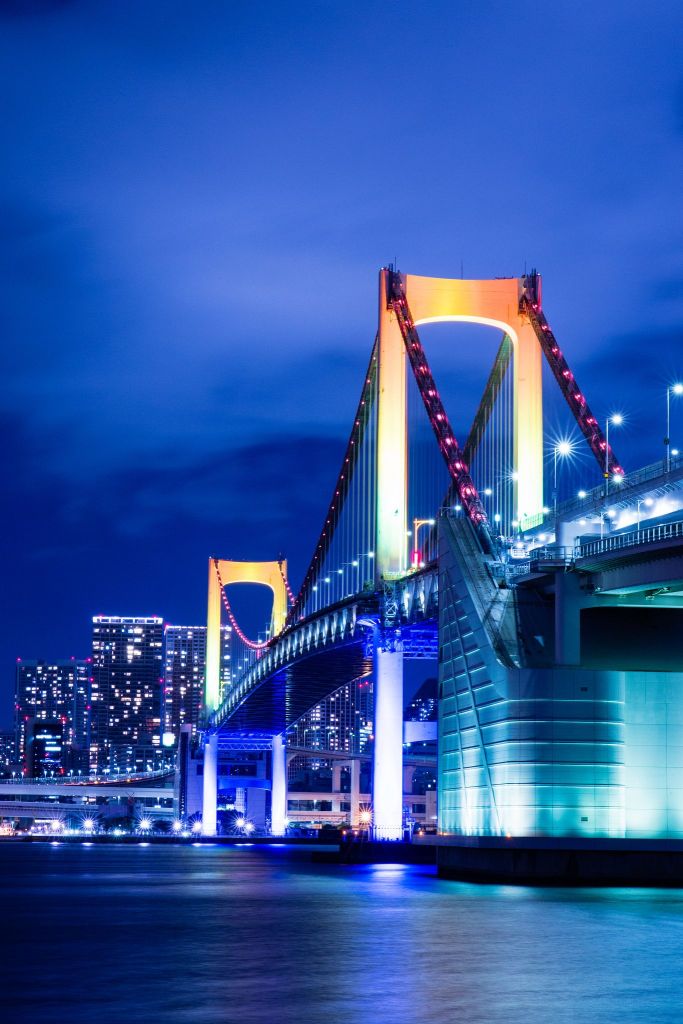
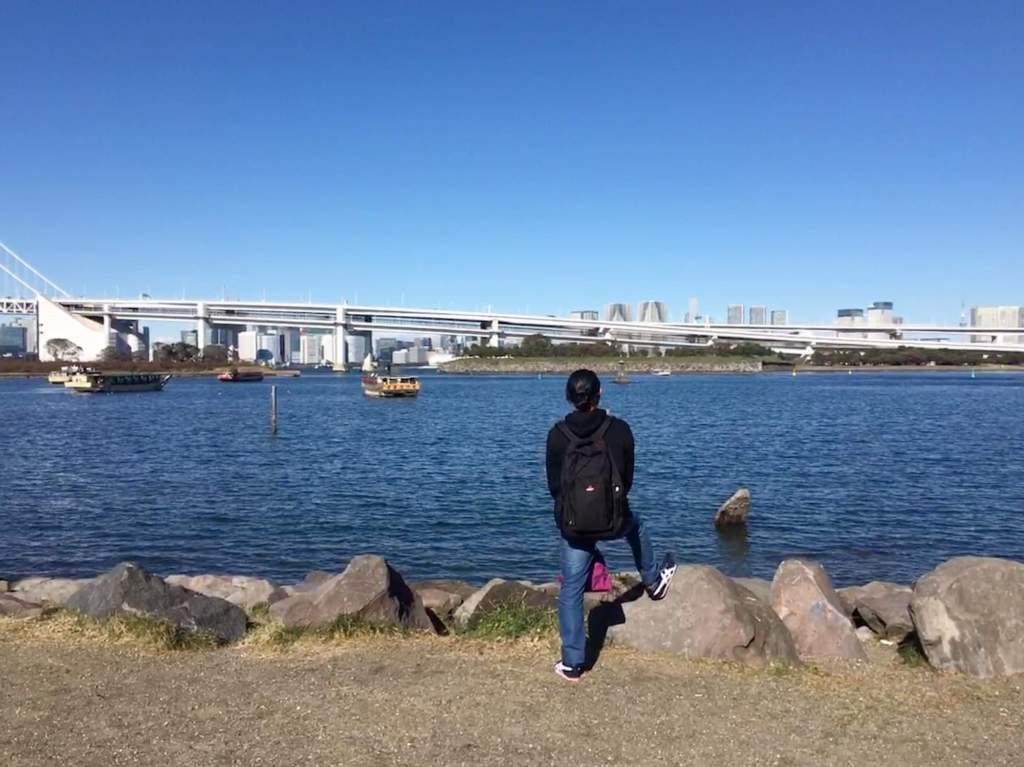
The Rainbow Bridge is an enormous suspension bridge that connects Tokyo with the man-made island of Odaiba.
When the bridge was built in 1993, it was situated close to Haneda Airport; therefore there were height restrictions closely limiting it – but at the same time, it had to be tall enough for ships to pass safely underneath. Its unique design is immediately recognizable in photos and videos of Tokyo.
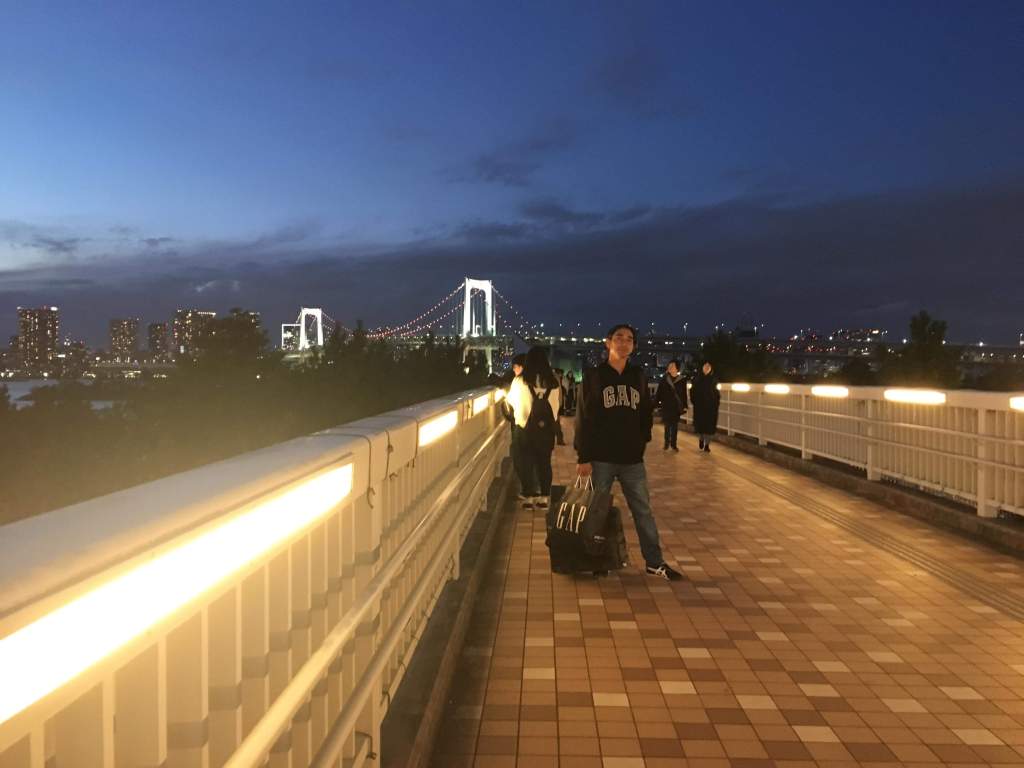
The bridge has two decks – one to carry the Shuto Expressway’s Daiba Route, and the second hosts Tokyo Prefectural Route 482 and the Yurikamome, the automated transport system running from Shimbashi to the island and around its perimeter. Sidewalks are on either side of the lower deck, with one underpass available for a pedestrian to change from the north to the south walkway. The walkways have opening hours, as well – 9 am to 9 pm in the summer; 10 am to 6 pm in the winter. The gates are closed after that time. Walking the length of the bridge (access it from Shibaura-futo Station on the Tokyo side, Odaiba-kaihinkoen on the Odaiba side) takes approximately 30 minutes. The distance is about 1.7 km from entrance to exit. The north side offers a view of the inner Tokyo harbour and Tokyo Tower, while the south side offers views of Tokyo Bay and occasionally Mount Fuji.
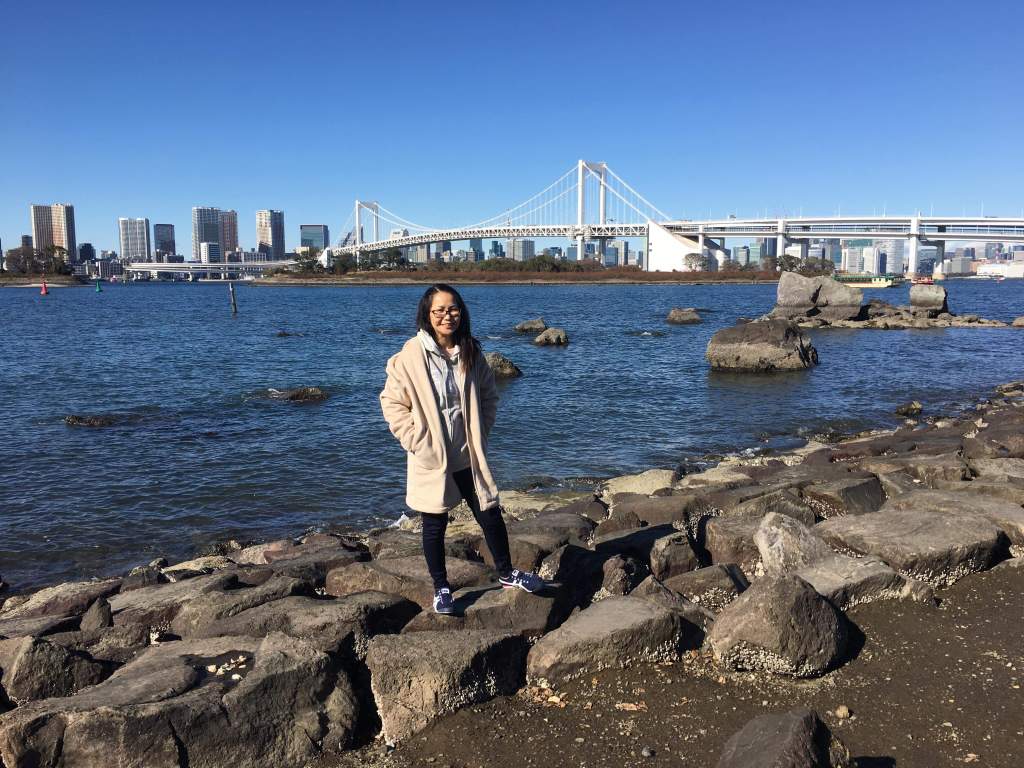
Admittedly, many people don’t care to walk across the bridge breathing exhaust and hearing the din of passing cars, so I couldn’t rate this more than three stars, but the determined – particular walking to Odaiba on the south side – you will be treated to some great views!
Biking across the Rainbow Bridge is forbidden, but you are able to walk your bicycles across. If you do bring a bicycle, a wooden board with small wheels will be attached to each of the bicycle tires that will be taken off at the other side. If you wish to cycle around Odaiba, you can use the bridge to the northeast, from Harumi-dori.
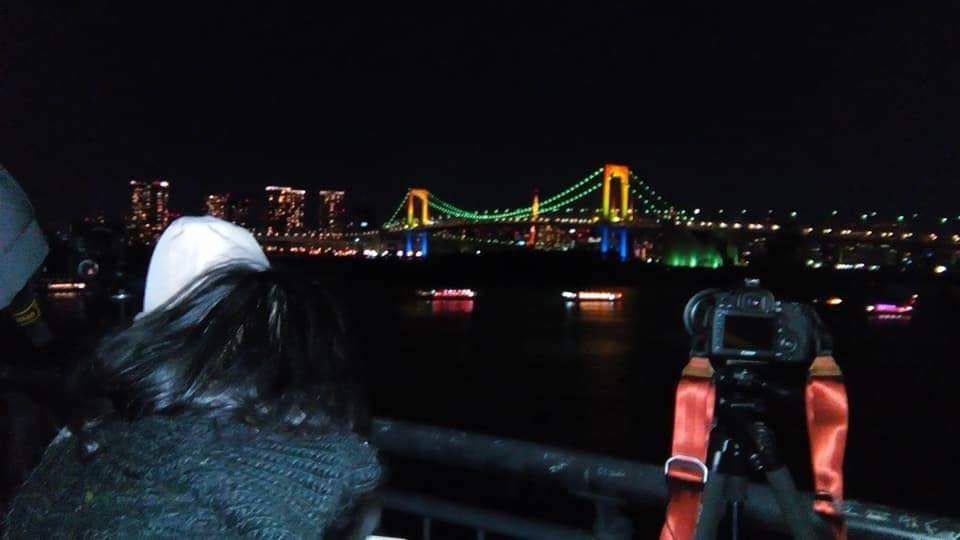
According to the signage on the bridge, the lights change seasonally, for special occasions. The rainbow colours appear during the holiday season and are called “Millennium Illumination.” There is also a variation where the lights on the suspended cables are turned pink in support of cancer research, annually in October. The bridge’s lights are powered by solar energy gathered during the day.
This is a great spot to go at sunset, and see the lights coming on as the sun goes down! Why not try viewing it from the Decks Tokyo Beach boardwalk?
6.) SHIBUYA CROSSING
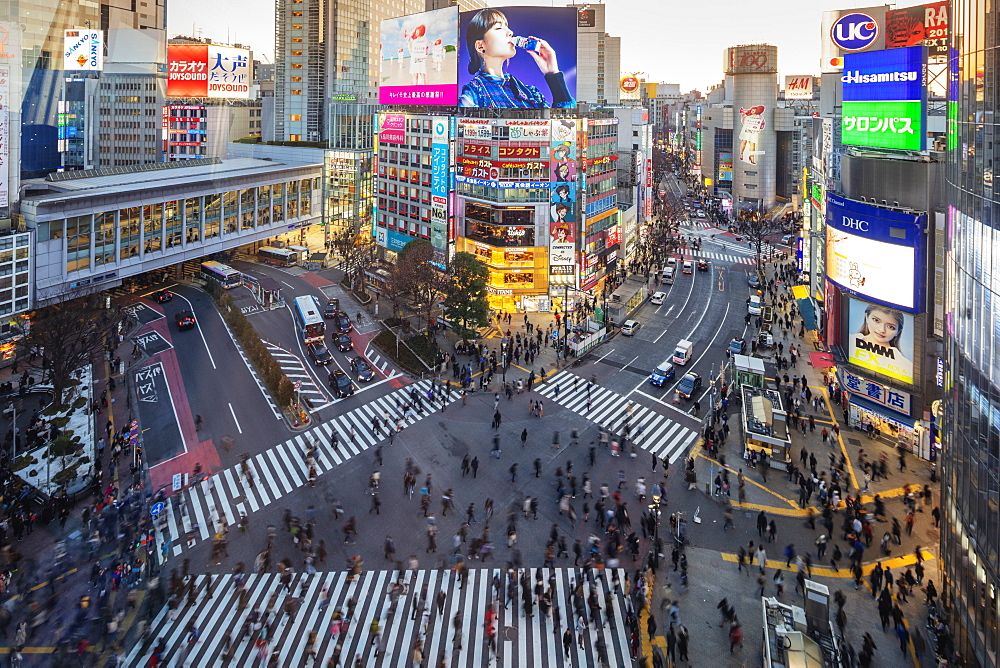
With thousands of pedestrians crossing at any one time, Shibuya Crossing is one of the most iconic sights in Tokyo. Known as the Scramble, a visit to this intersection is essential for first-timers to the capital.

Any promotional travel video of Tokyo or even Japan features Shibuya Crossing, and with good reason. Located in front of the Hachiko Exit of JR Shibuya Station, this intersection of 7 crossroads sees hundreds, even thousands of people crossing at any one time with almost no collisions. It’s no mean feat given the mass of humanity surging across the road every few minutes, and the almost balletic movement of the crowd makes for hypnotic watching.

Besides walking across to experience it for yourself – and avoiding the tourists with selfie sticks and video cameras – watching the Shibuya Scramble from above is equally fun.
HAVING FUN AT TOP..
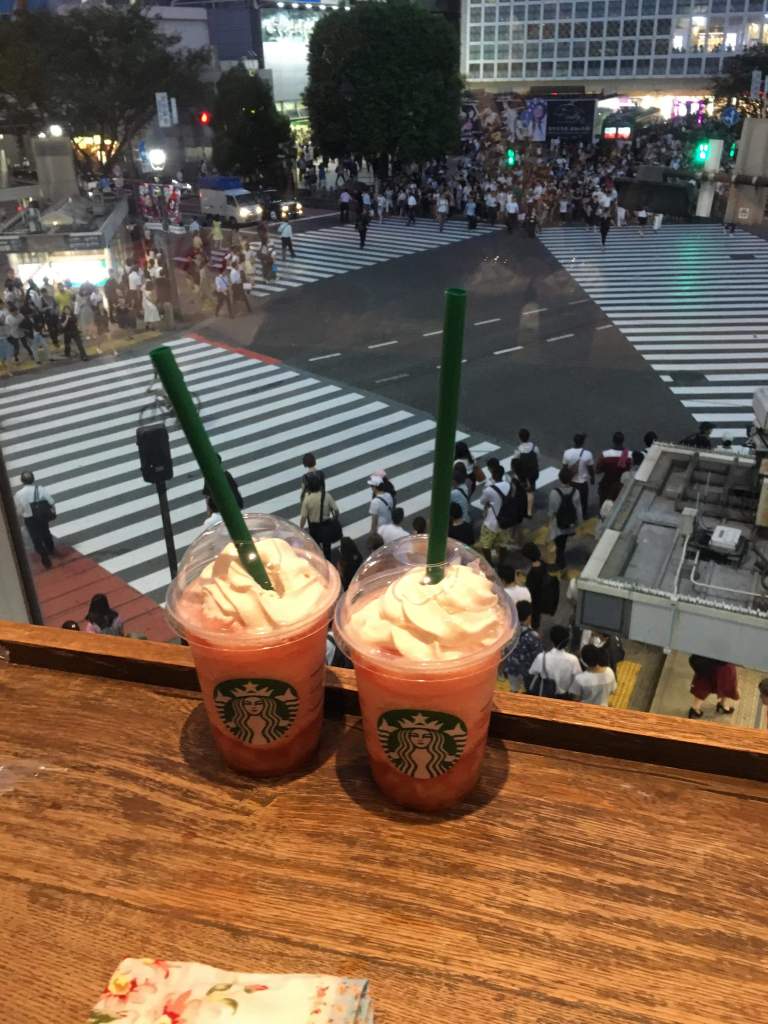
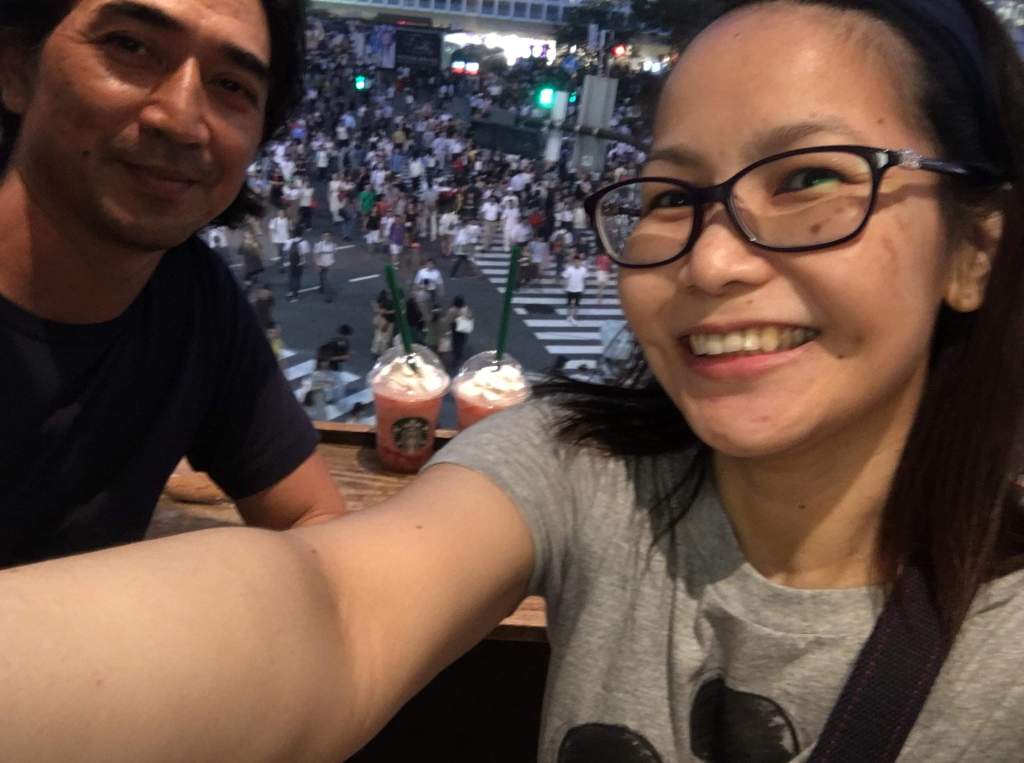
The Starbuck’s Shoo in Tsutaya does give you the best classic aerial view. The shop offers its best coffee drinks which you can enjoy while viewing the top of the Shibuya Crossing. But, the L’Occitane cafe is also not a bad choice, and has the bonus of being a little less crowded. Another good view of the crossing can be found in front of the Myth of Tomorrow mural, through the windows of JR Shibuya Station
7.) HIROSHIMA PEACE MEMORIAL PARK
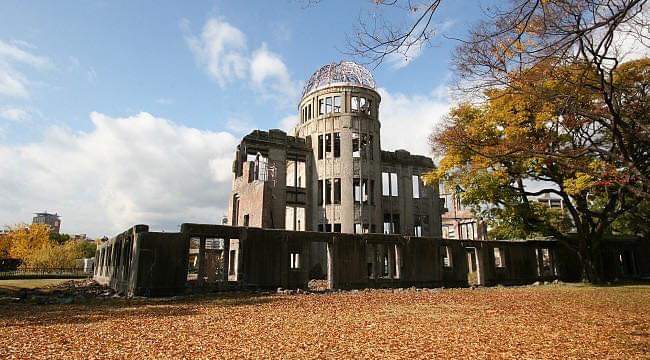
Hiroshima’s Peace Memorial Park (平和記念公園, Heiwa Kinen Kōen) is one of the most prominent features of the city. Even visitors not looking for it will likely stumble upon the large park of over 120,000 square meters. Its trees, lawns, and walking paths are in stark contrast to the surrounding downtown area.
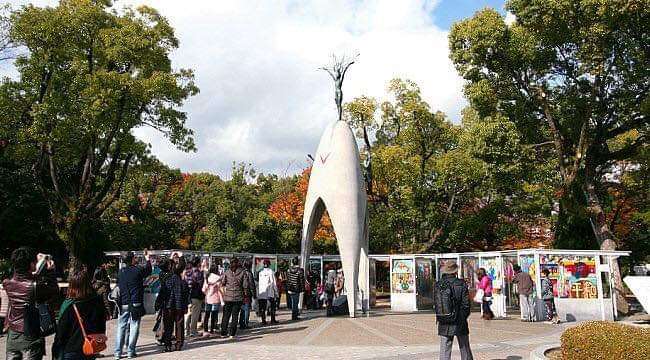
Before the bomb, the area of what is now the Peace Park was the political and commercial heart of the city. For this reason, it was chosen as the pilot’s target. Four years to the day after the bomb was dropped, it was decided that the area would not be redeveloped but instead devoted to peace memorial facilities.
8.) SAPPORO, HOKKAIDO
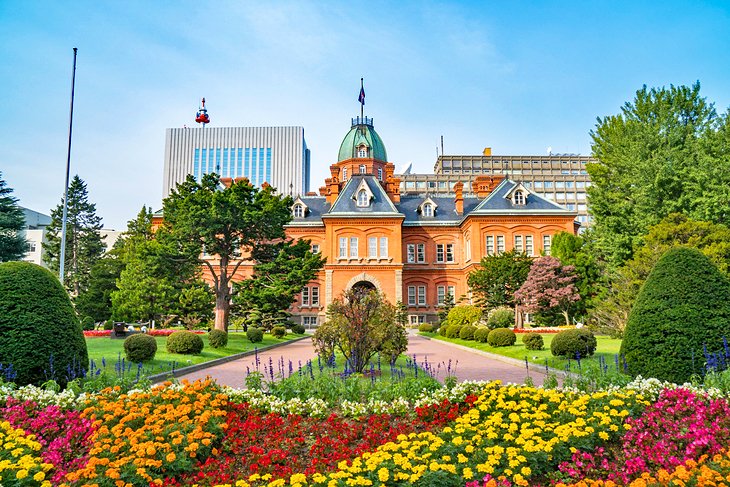
Sapporo (札幌, “important river flowing through a plain” in Ainu language) is the capital of Hokkaido and Japan’s fifth largest city. Sapporo is also one of the nation’s youngest major cities. In 1857, the city’s population stood at just seven people.
In the beginning of the Meiji Period, when the development of Hokkaido was started on a large scale, Sapporo was chosen as the island’s administrative center and enlarged according to the advice of foreign specialists. Consequently, Sapporo was built based on a North American style rectangular street system.
9.) DIVER CITY, ODAIBA
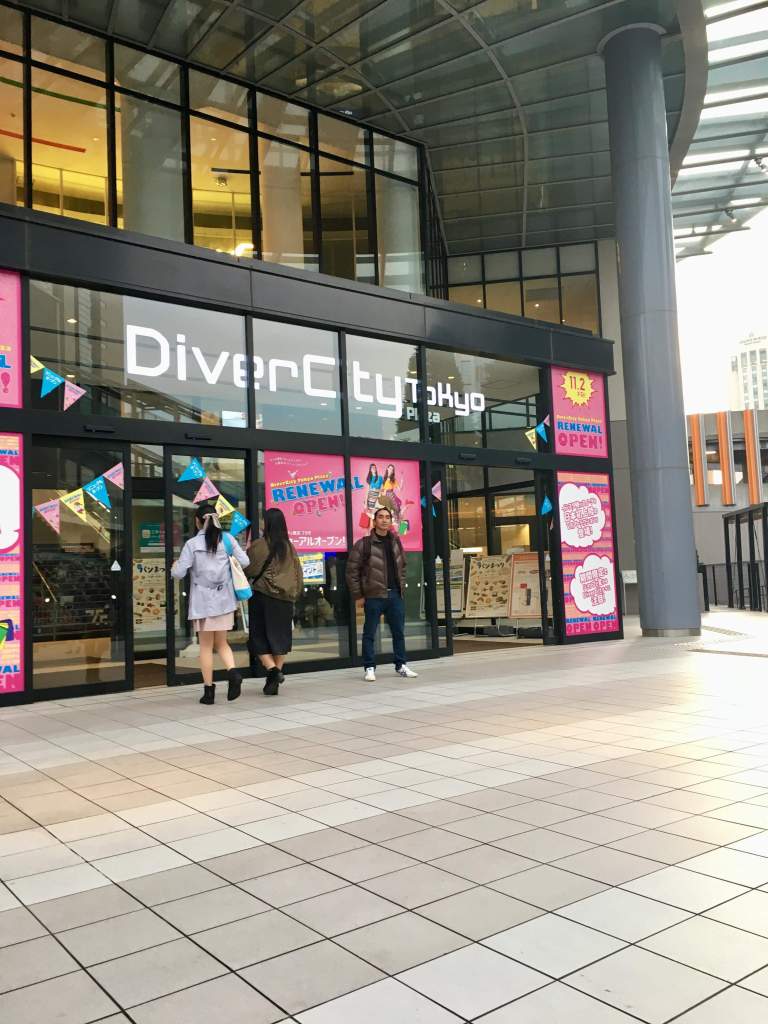
DiverCity Tokyo Plaza is a shopping mall designed with the theme of creating a “theatrical city space.” There is a large-scale entertainment facility where you can have many different experiences, and offers a wide selection of Japan-themed souvenirs at many of its shops. With many authentic Japanese restaurants and convenient access to transportation, DiverCity is a fun new destination in Tokyo for overseas visitors!
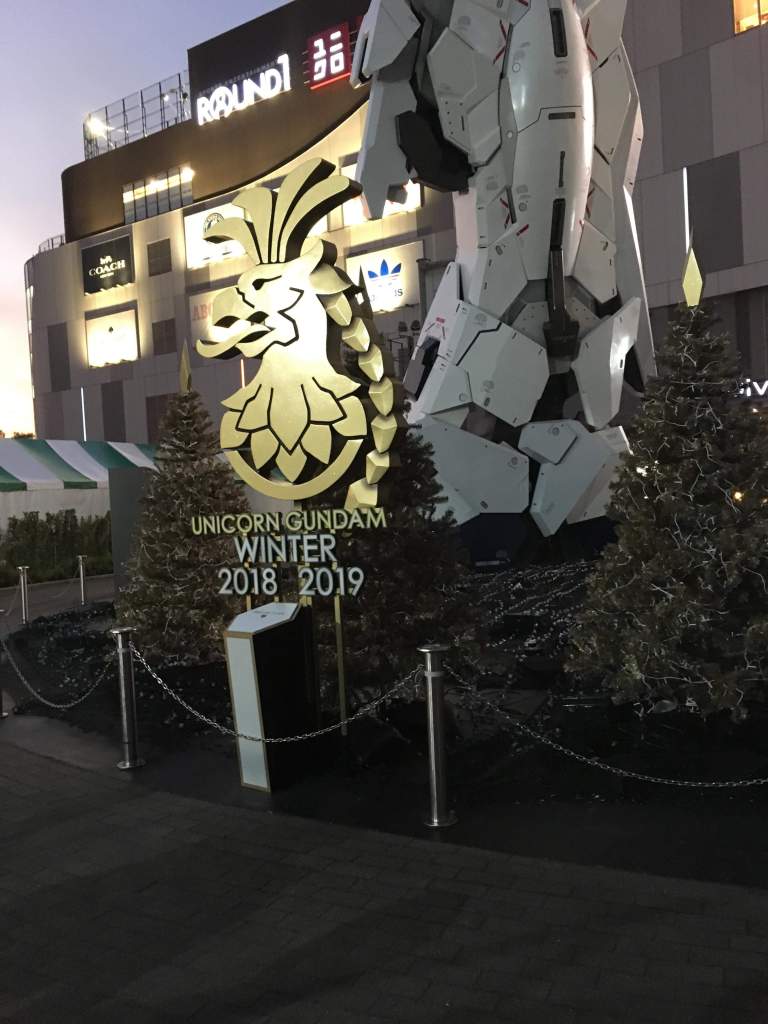
A landmark mall boasting diverse entertainment, dining and shopping options
DiverCity Tokyo Plaza opened in 2012 with the concept of a “theatrical city space.” The complex has seven floors, with several well-known American apparel stores, high-end fashion brands, and specialized Japanese souvenir shops. On the top floor you can spend a few hours at Round 1, an entertainment facility which has a bowling alley, karaoke and arcade games. The food courts offer a large selection, including fast food, international cuisine and Japanese food.
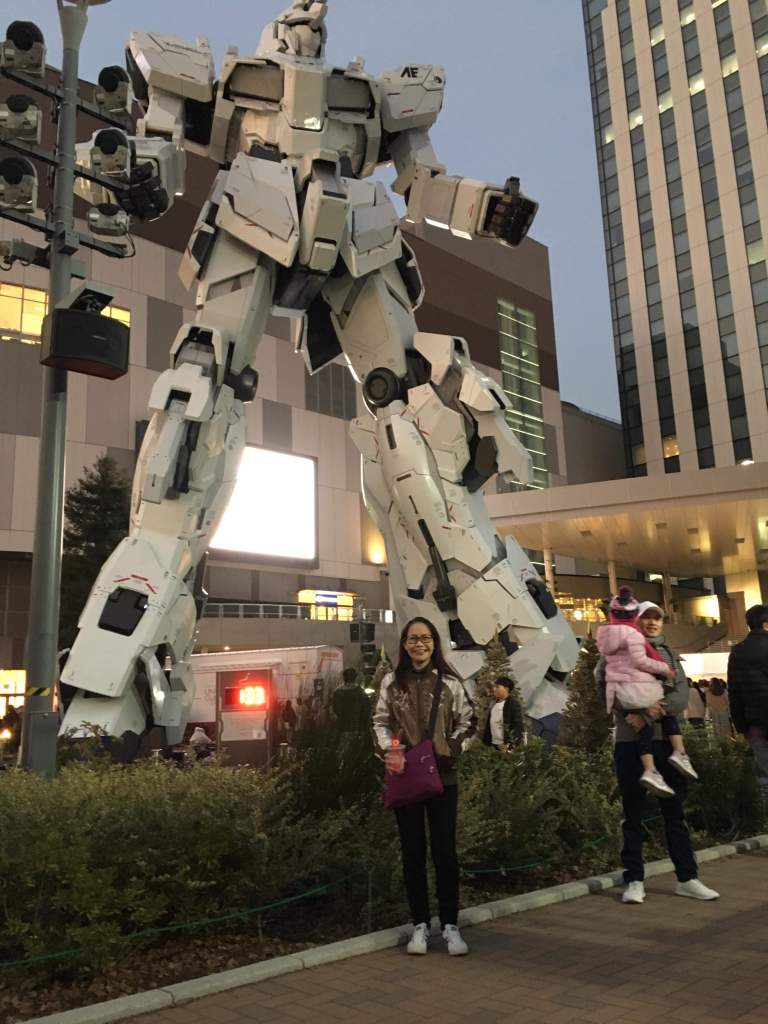
Located in Odaiba in Tokyo Bay, DiverCity is easily accessible from Shimbashi Station on the Yurikamome Monorail, a five-minute walk from Daiba Station. A great way to spend an afternoon, with Palette Town and AquaCity nearby for more shopping and entertainment.
10.) UENO ZOO, UENO
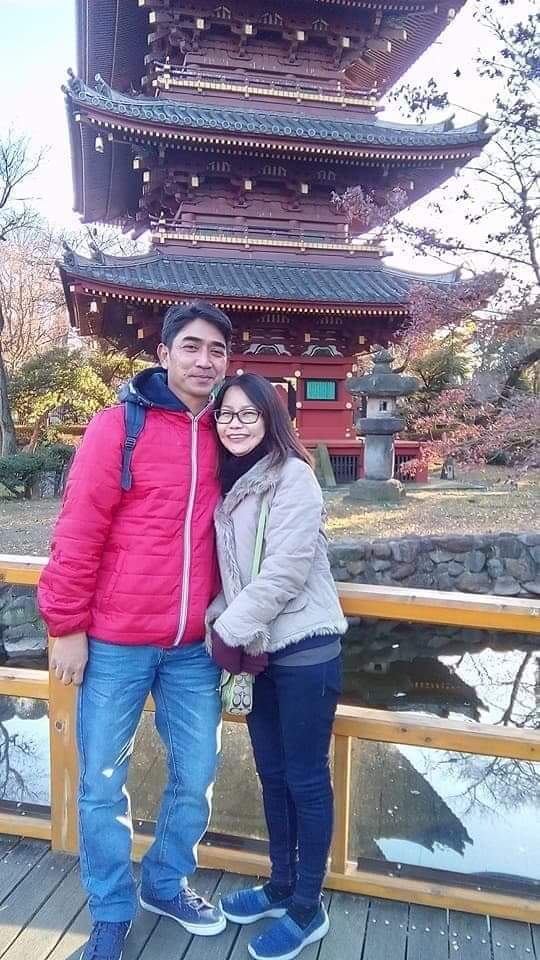
Opened in 1882, Ueno Zoo is the oldest zoo in Japan. Complete with pandas, tigers, and gorillas, Ueno Zoo offers hours of family-friendly fun in the heart of Japan’s capital
Don’t Miss
- The giant pandas – the symbol of Ueno Zoo
- The Kaneiji Temple five-story pagoda
- Shinobazu Pond and its migratory bird residents
How to Get There
Located in Ueno Park, the Ueno Zoo is easily accessible by public transport.
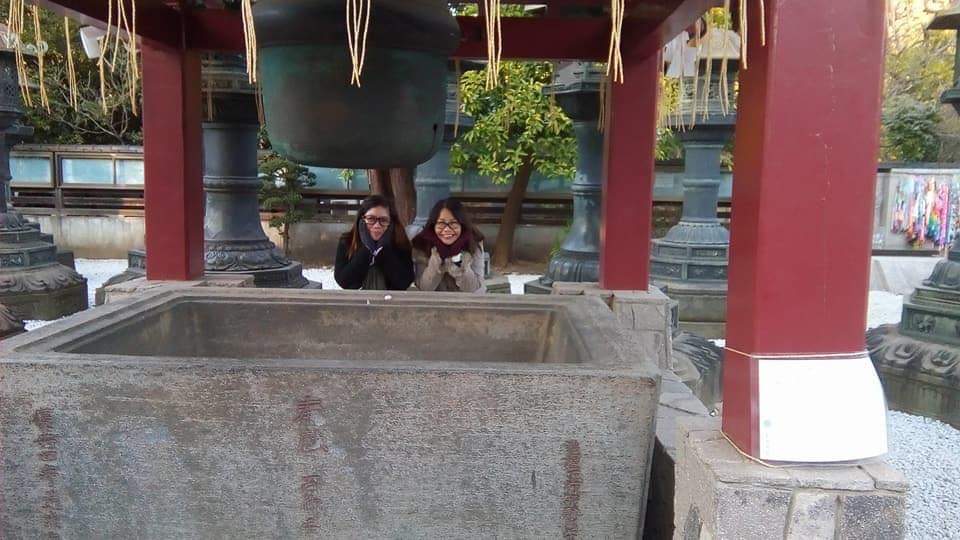
Ueno Zoo is a short, five-minute walk from Ueno Station, located on the JR Yamanote Line. Exit via the Park Gate and walk across the street into Ueno Park . The entrance to Ueno Zoo is inside the park. Ueno Station is only four stops from Tokyo Station .

Entrance to Ueno Zoo
A gateway to other lands
Ueno Zoo is a gateway to other lands with more than 500 species from all over the world, and about 3,000 animals call Ueno Zoo home. Resident animals include Sumatran tigers, king penguins, white-tailed eagles, ostriches, zebras, and llamas.
The zoo provides spaces for the animals that are similar to their natural habitats. Among them, the zoo has forests for gorillas, tigers and elephants, hills for bears, and pools for polar bears and seals.
The pandas
One of the zoo’s biggest highlights is the panda exhibit. The first pair were lent to Japan by China in 1972 when the two nations formally reopened diplomatic relations. Since then, there have always been pandas at Ueno Zoo.

Plenty to see and do
Ueno Zoo is expansive at over 14.3 hectares in size, divided into eastern and western sections. In addition to the animal exhibits, visitors can enjoy a pagoda, ponds, and more. A petting zoo for small children is also available and can be found on the western side of the zoo.
Shinobazu Pond
In the western part of the zoo is Shinobazu Pond. This pond is a natural habitat for many animals and migratory birds. Shinobazu Pond is home to a huge field of lotuses that bloom in late July to August.

Animals and architecture
One underappreciated feature of Ueno Zoo is the historical architecture. Notable structures include an old front gate of a Versailles-style building and the Kankan-tei tea house. This traditional tea house was first built in 1626 and rebuilt in 1878. Both of these features are reminiscent of the time when the zoo first opened.
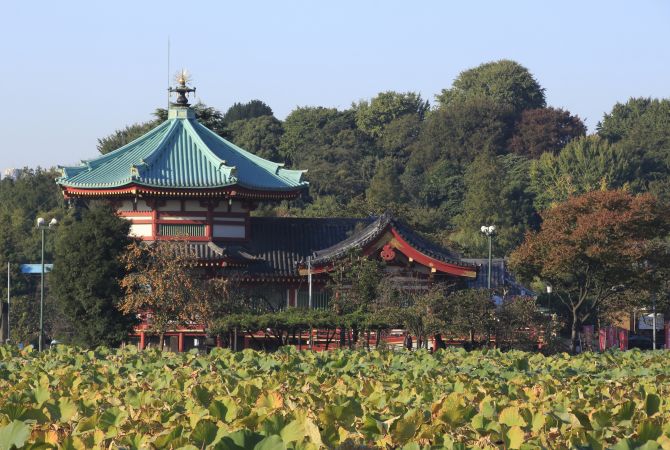

Another structure to check out is the five-story pagoda of Kaneiji Temple . This pagoda was rebuilt in 1639 and is now designated as an Important Cultural Property.
11.)TOKYO STATION
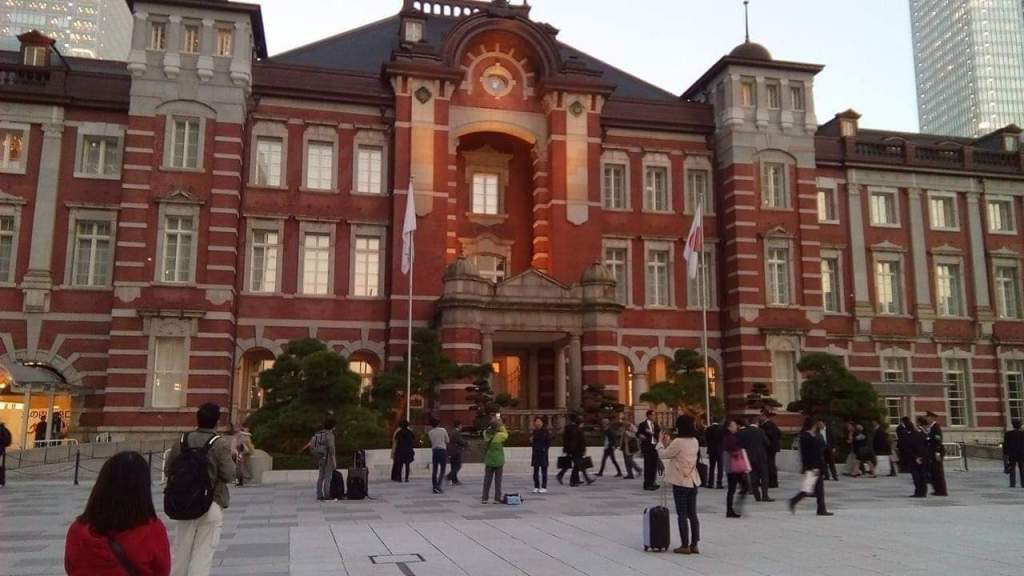
Tokyo station is one of the most used train stations in Japan, as well as one of the capital’s most important historical landmarks. Opened in 1914, the original station building was almost destroyed during the firebombing campaigns of the Second World War, but was quickly restored and reoperated within a year of the war’s end.
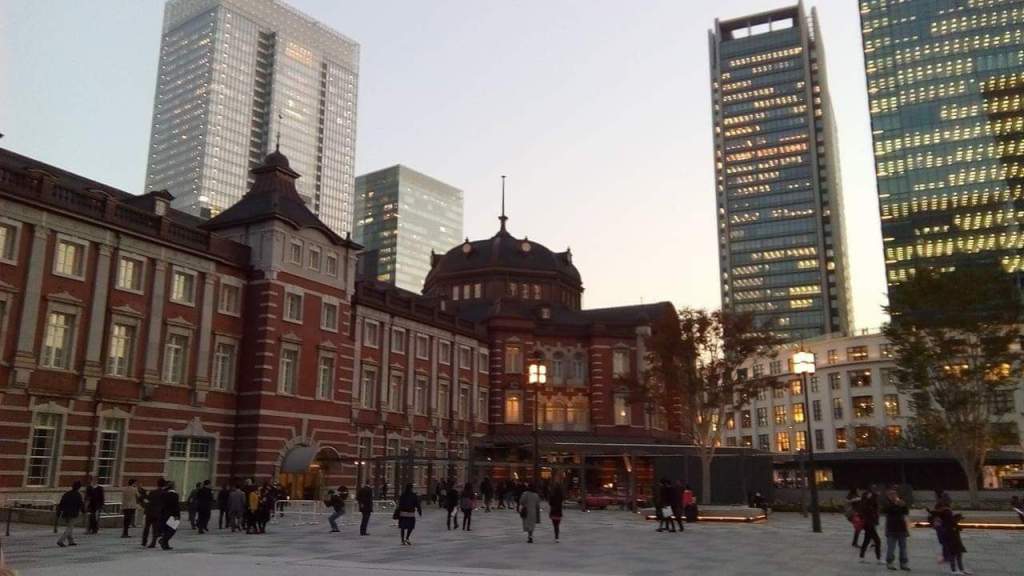
Tokyo Station today is a huge complex, a hub of transport, predominantly, but also including a mass of shopping and lifestyle facilities within and close by. To help you navigate this potentially dizzying station, we’ve put together a comprehensive guide to everything you need to know.
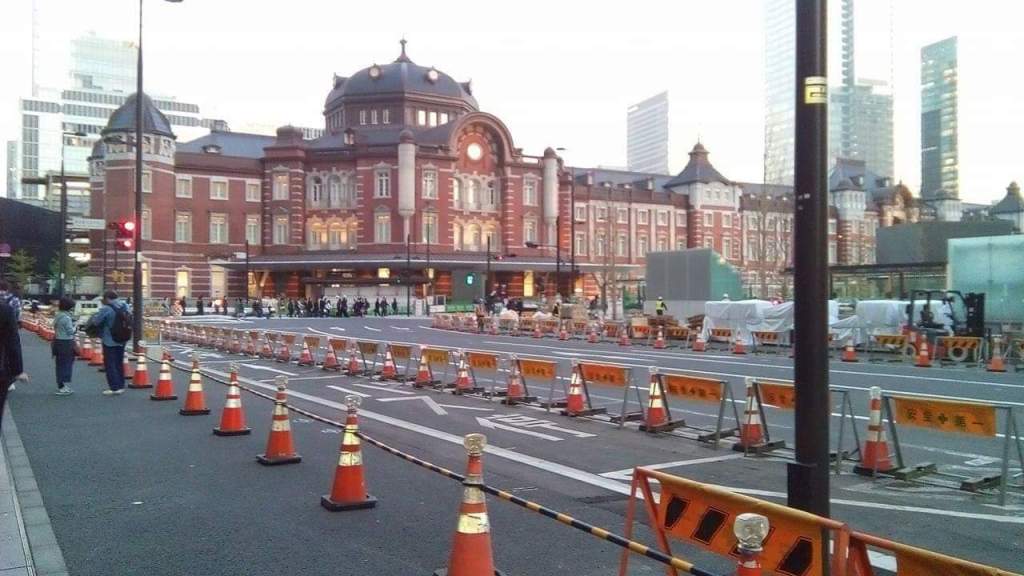
Tokyo Station Exit Map
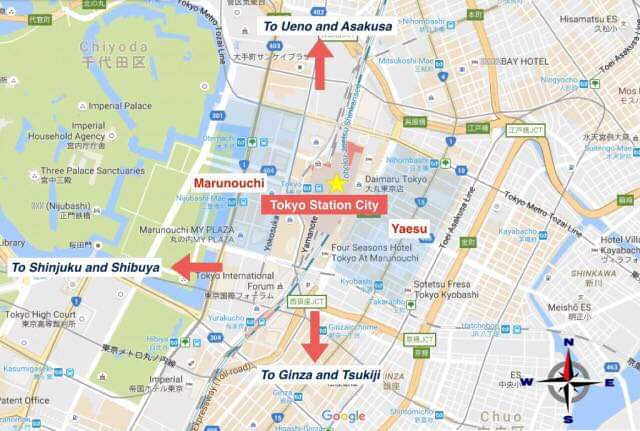
Tokyo Station.001
Tokyo Station Train Lines
Tokyo Station is comprised of 28 platforms, servicing 19 railway lines, including Japan Rail (JR) trains, the Narita Express, the Shinkansen (bullet trains) and Metro trains. Find a run-through below:
Shinkansen Line
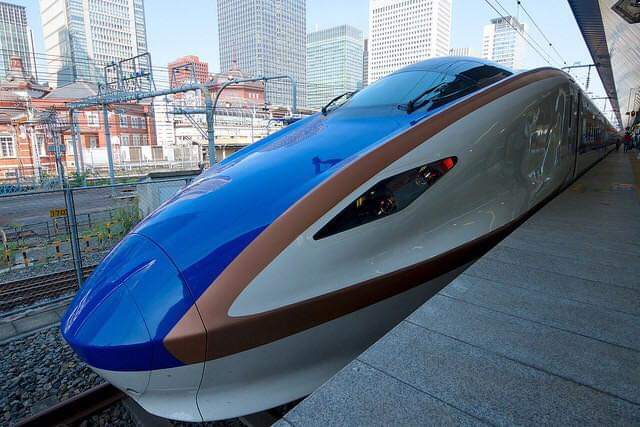
Platforms 14 – 19
Tokaido Shinkansen: To Yokohama, Nagoya, Kyoto and Osaka.
San-yo Shinkansen: To Osaka and Fukuoka.
Platform 20 – 23
Tohoku Shinkansen: To the north toward Aomori.
Yamagata Shinkansen: North-east to Fukushima and Yamagata.
Akita Shinkansen: North to Iwate and Akita.
Hokkaido Shinkansen: To Hokkaido via the Seikan Tunnel to Hakodate.
Joetsu Shinkansen: North-west to Niigata.
Hokuriku Shinkansen: Northwest to Nagano and Kanazawa.
JR East Line
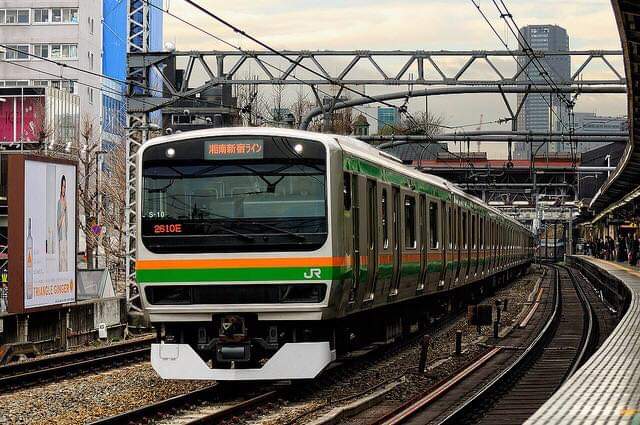
(Ground-Floor) Platform 1 – 10
Chuo Line for Takao: South towards Nagoya.
Keihin-Tohoku Line for Omiya: To Saitama, Kawasaki and Yokohama.
Keihin-Tohoku Line for Ofuna: To Kanagawa.
Yamanote Line: Loop line connecting to major stations including Shibuya, Shinjuku, Shinagawa, Nippori and Ikebukuro.
Ueno-Tokyo Line: To Ueno.
Tokaido Line: To Kobe.
(Underground) Platform 1-4
Keiyo Line for Boso, Maihama and Soga: To Chiba.
Musashino Line for Maihama and Nishi-Funabashi: For Yokohama, Chiba, Maihama (Disneyland) and Nishi-Funabashi.
Sobu Line Yokosuka Line for Boso and Choshi: For Chiba and Choshi.
Narita Express for Narita Airport (N’EX): To Narita Airport.
FESTIVALS THAT FLOURISHED JAPAN
There are countless local festivals (祭り, matsuri) in Japan because almost every shrine celebrates one of its own. Most festivals are held annually and celebrate the shrine’s deity or a seasonal or historical event. Some festival are held over several days.
An important element of Japanese festivals are processions, in which the local shrine’s kami(Shinto deity) is carried through the town in mikoshi (palanquins). It is the only time of the year when the kami leaves the shrine to be carried around town.
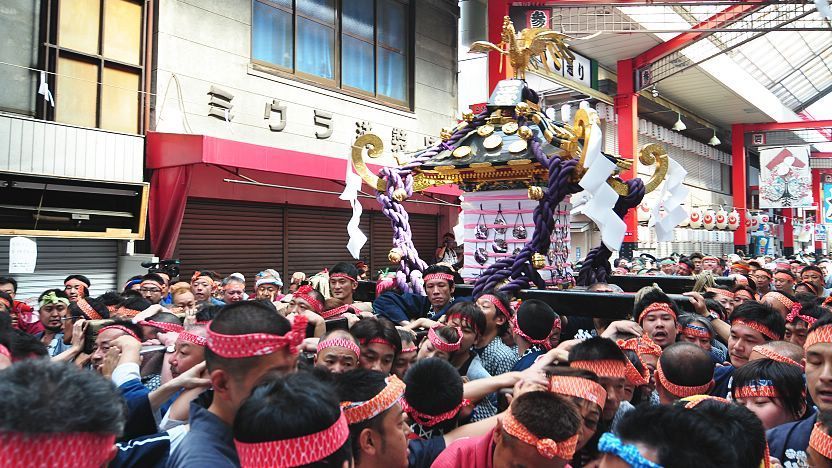
Many festivals also feature decorated floats (known regionally under various names, such as dashi, yatai, danjiri, etc.), which are paraded through the town, accompanied by drum and flute music by the people sitting on the floats. Every festival has its own characteristics. While some festivals are calm and meditative, many are energetic and noisy.

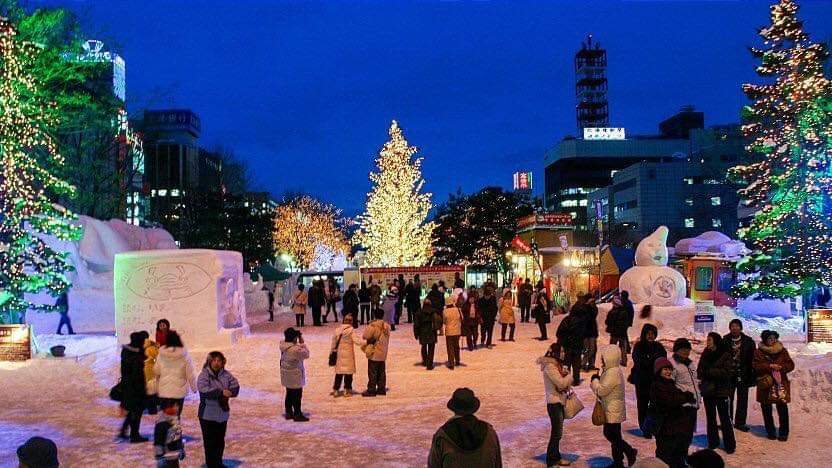
1.) SAPPORO SNOW FESTIVAL
-One week in early February
-Large snow and ice sculptures are built in the city’s centrally located Odori Park during the Sapporo Snow Festival (Sapporo Yuki Matsuri).

2.) AKITA PREFECTURE YOKOTE KAMAKURA FESTIVAL
-February 15 and 16
-Many igloo-like snow houses, called kamakura, and hundreds of mini kamakura are built at various locations across the city during this Yokote Kamakura festival in one of Japan’s snow-richest regions.

3.) NARA OMIZUTORI
-March 1-14
Omizutori is a Buddhist religious service rather than a festival, held every year at the Nigatsudo Hall of Todaiji temple The most spectacular among its many ceremonies, is the nightly burning of torches on the balcony of the wooden temple hall.

4.)TAKAYAMA MATSURI
April 14-15 and October 9-10
Large and elaborately decorated floats are pulled through the old town of Takayama. Held in spring and autumn.
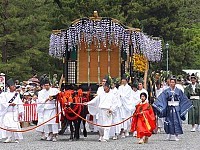
5.) KYOTO AOI MATSURI
-May 15
-The Aoi Matsuri’s main attraction is a large parade of over 500 people dressed in the aristocratic style of the Heian Period (794-1185) that leads from the Kyoto imperial Palace to the Kamo shrines. the festival’s host shrines.

6.) TOKYO KANDA MATSURI
-Weekend closest to May 15
The Kanda Matsuri in Tokyo consists of numerous events held over an entire week, but the main action happens over the weekend closest to May 15. Highlights of the festival are a daylong procession through central Tokyo on Saturday, and parades of portable shrines (mikoshi) by the various local neighborhoods on Sunday.

7.) TOKUO SANJA MATSURI
-Third full weekend in mid MayThe festival of Asakusa Shrine, the Sanja Matsuri is one of Tokyo’s three big festivals. Mikoshi are carried through the streets of Asakusa.
JAPANESE CULTURE, FOOD, AND TRADITIONS
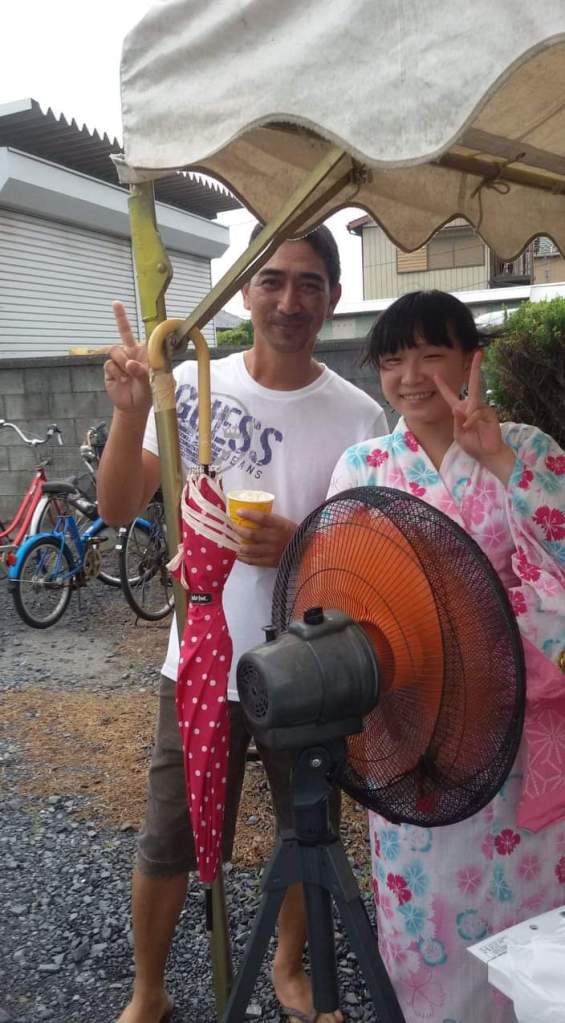
Japanese Culture
-Gaining a thorough insight into Japanese culture and society is at the heart of our “get beneath the surface” ethos. This is why we have created these pages, which are packed with information that will enrich your experience and understanding of Japan.
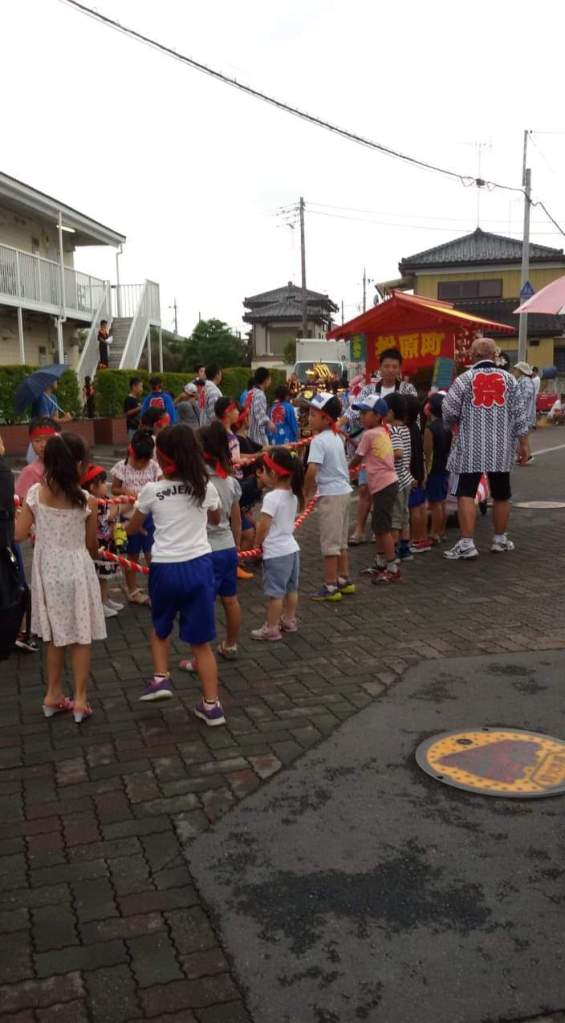
Japan has a fascinating and multifaceted culture; on the one hand it is steeped in the deepest of traditions dating back thousands of years; on the other it is a society in a continual state of rapid flux, with continually shifting fads and fashions and technological development that constantly pushes back the boundaries of the possible. This is part of what makes it such a fascinating country to visit. If you are looking for something different you are sure to find it here!
1.) Manners, customs and the Japanese way
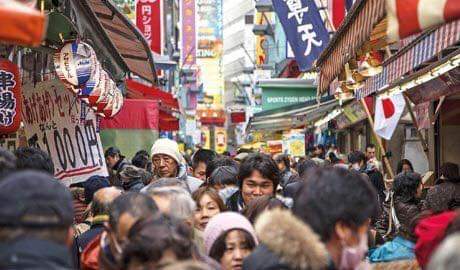
Manners and customs are an important part of many facets of Japanese life. Japanese people grow up picking up the subtleties of this unique culture as they go through life, respecting the invisible and varied societal rules. There are many aspects of this seemingly complicated culture that as a foreign visitor you will not be expected to know, but there are some things that will be easier to grasp than others.
2.) Japanese food: a whole lot more than just sushi!
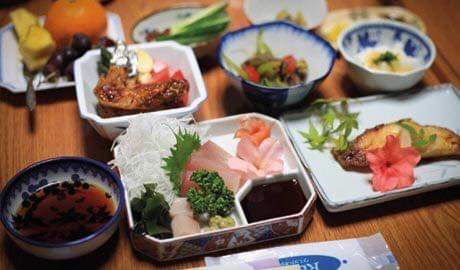
-When it comes to food, the Japanese are among the most enthusiastic and passionate of any race. Ask any Japanese person about a recent trip within Japan and the conversation almost always includes talk of the local food. In fact, for many Japanese travelling outside of their hometowns, food is often one of the primary motivators for travelling.
3.) BOWING: SIGN OF RESPECT AND GRATITUDE
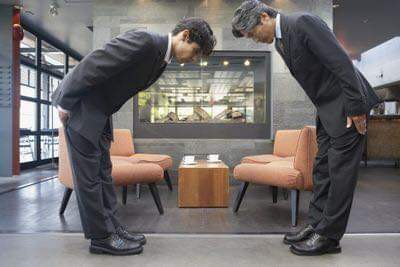
Bowing
One of the most obvious social conventions is the bow. Everyone bows when they say hello, goodbye, thank you or sorry. Bowing is a term of respect, remorse, gratitude and greeting.
4.) EATING
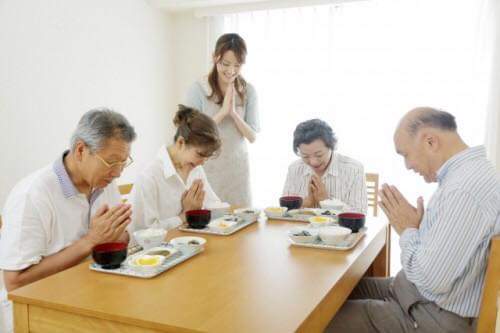
Eating
Before eating a meal, the Japanese put their hands together and use the term “Itadakimasu” (I humbly receive). After the meal, it is polite to say “Gochiso sama deshita” (thank you for the meal)
5.) TAKING OFF FOOTWEAR
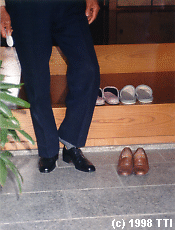
Taking off footwear
This is something that confuses many visitors to Japan, but is so easy to understand. It is customary in Japan to take off your shoes when entering a traditional ryokan (guesthouse), a home, temple or the occasional restaurant for example.
NOW YOU READ MY BLOG ABOUT THE LAND OF THE RISING SUN, TRY TO EXPLORE AND EXPERIENCE THE BEAUTY OF CULTURE AND DIVERSITY OF JAPAN…
REFERENCES:
https://www.tripsavvy.com/when-to-bow-in-japan-1458314
https://www.japan-guide.com/e/e3004.html
https://mitsui-shopping-park.com/divercity-tokyo/en/
https://matcha-jp.com/en/1884?amp=true
https://www.insidejapantours.com/japanese-culture/
 Explore The Land of the Rising Sun